Fifty thousand people a day, from mothers-to-be to teenagers.
The Breakfast Revolution's reach in 2026, and the work to make each breakfast better. Where a number is an engine estimate, it says so.
Meals served over time
- 2014: The Breakfast Revolution founded.
- 2020: 100,000 children fed.
- 2026: 40 million+ meals served.
Figures published by The Breakfast Revolution, 2026.
Meals served, 2014 to 2026
Figures published by The Breakfast Revolution, 2026.
Where we work
400+ schools and anganwadis, in five states.
An interactive map of India marking the states where TBR operates: Maharashtra, Gujarat, Rajasthan, Karnataka, West Bengal. Choose a state to read about the work there; its story opens beside the map on a wide screen, or below it on a phone.
Choose a state to see the work there. Its story opens right here.
from the field
Real mornings, up close
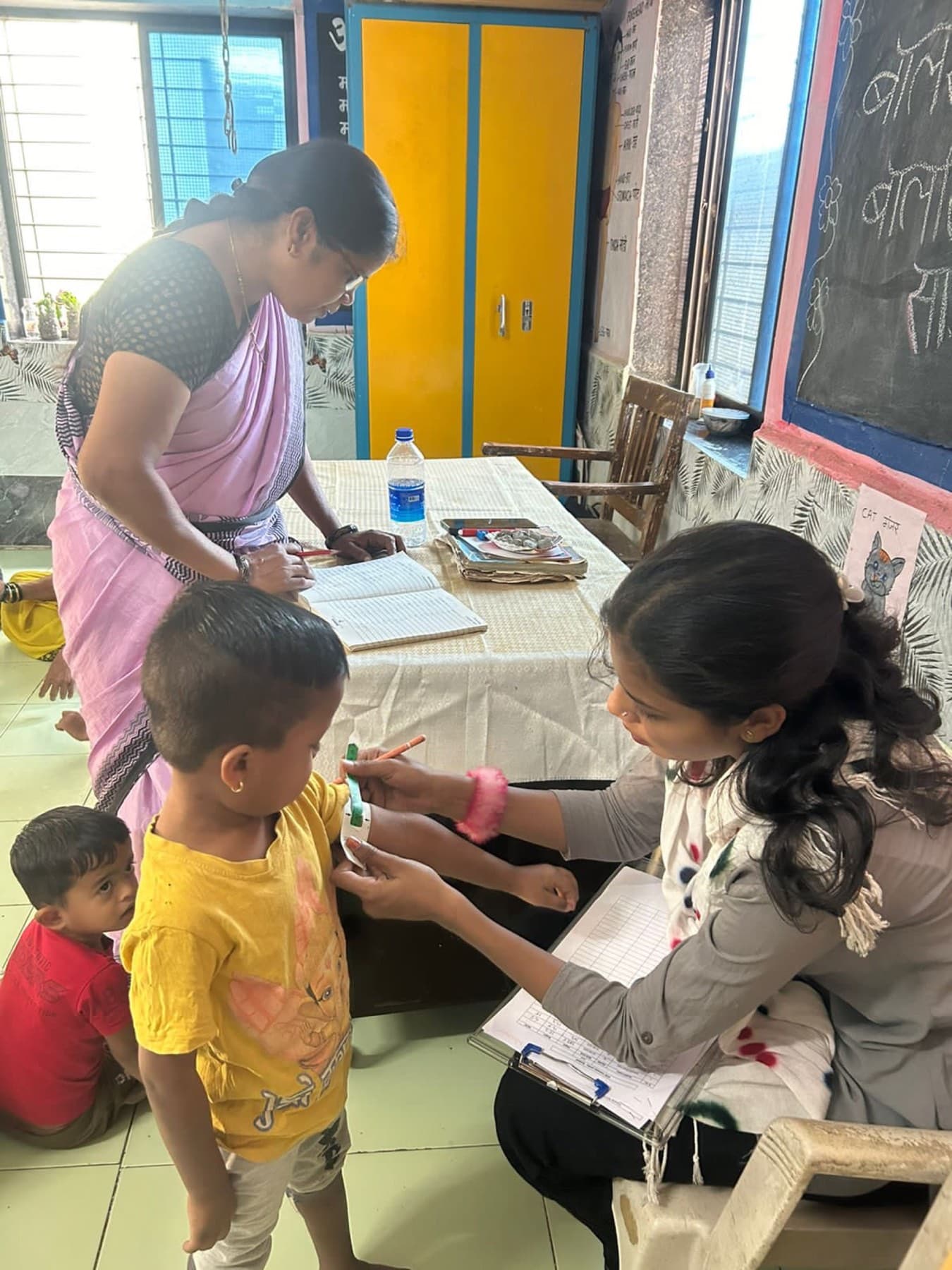
Every photograph here is real, taken in the schools and anganwadis where the programme runs. Warm plates, familiar faces.
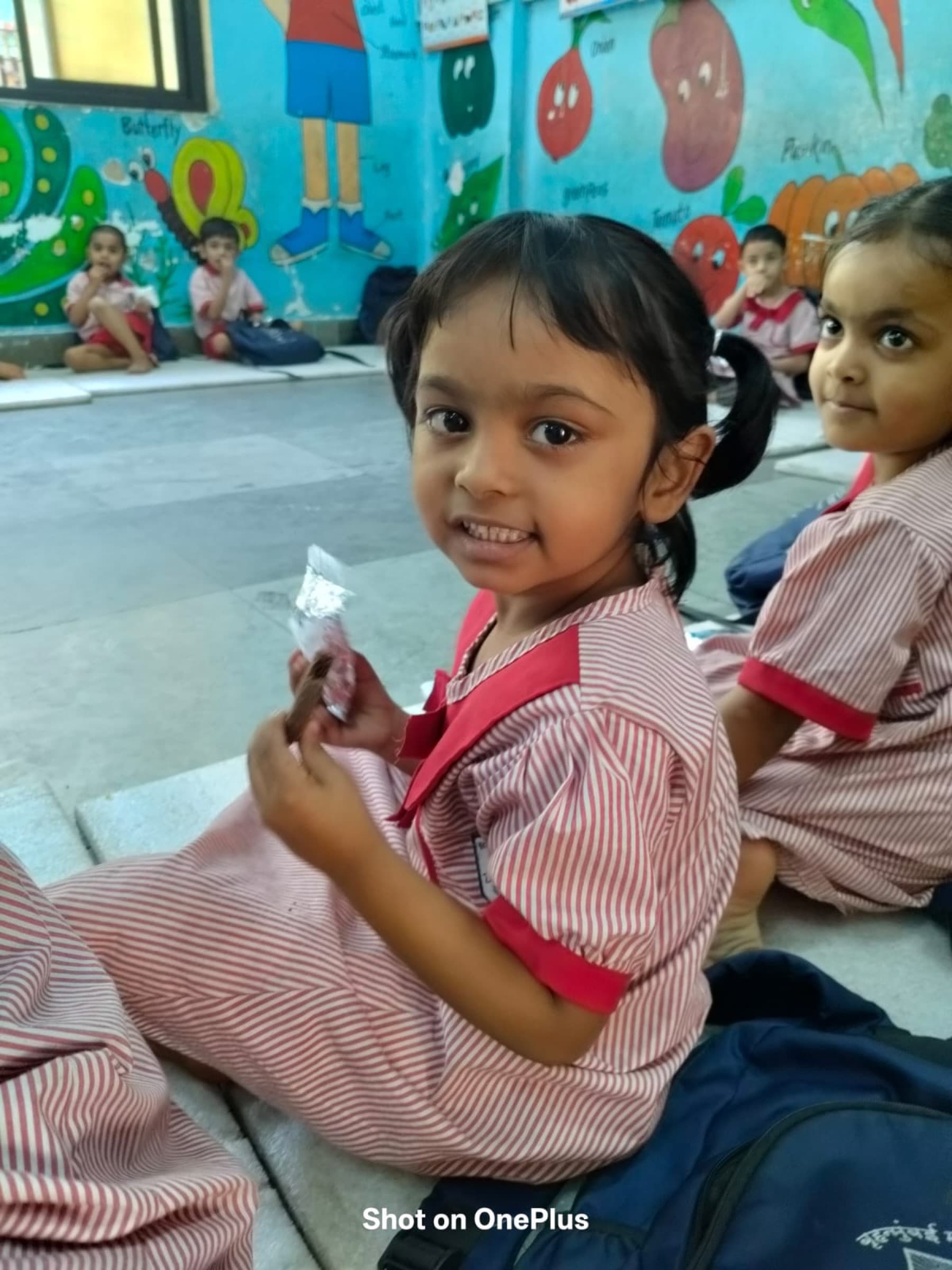
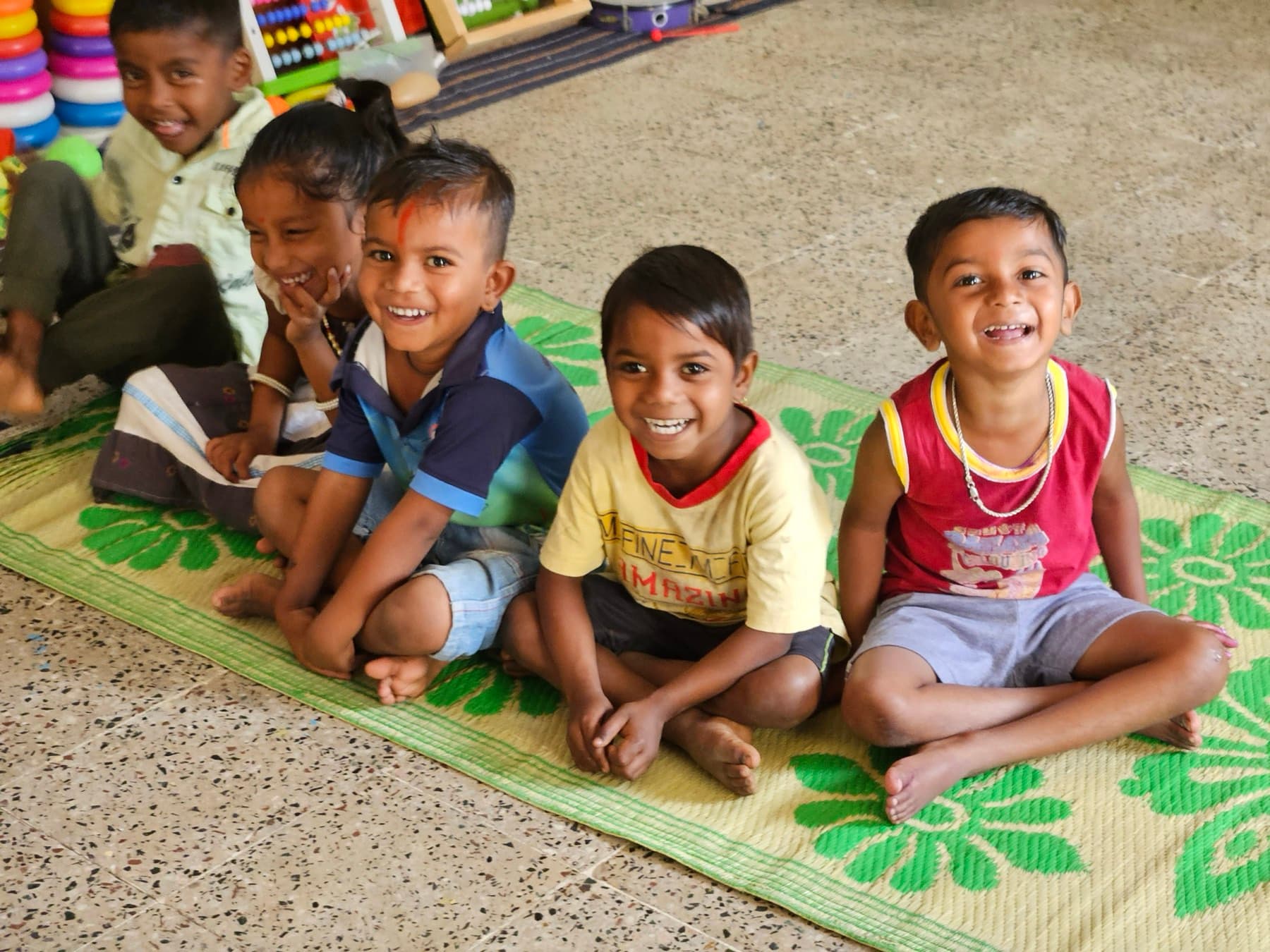
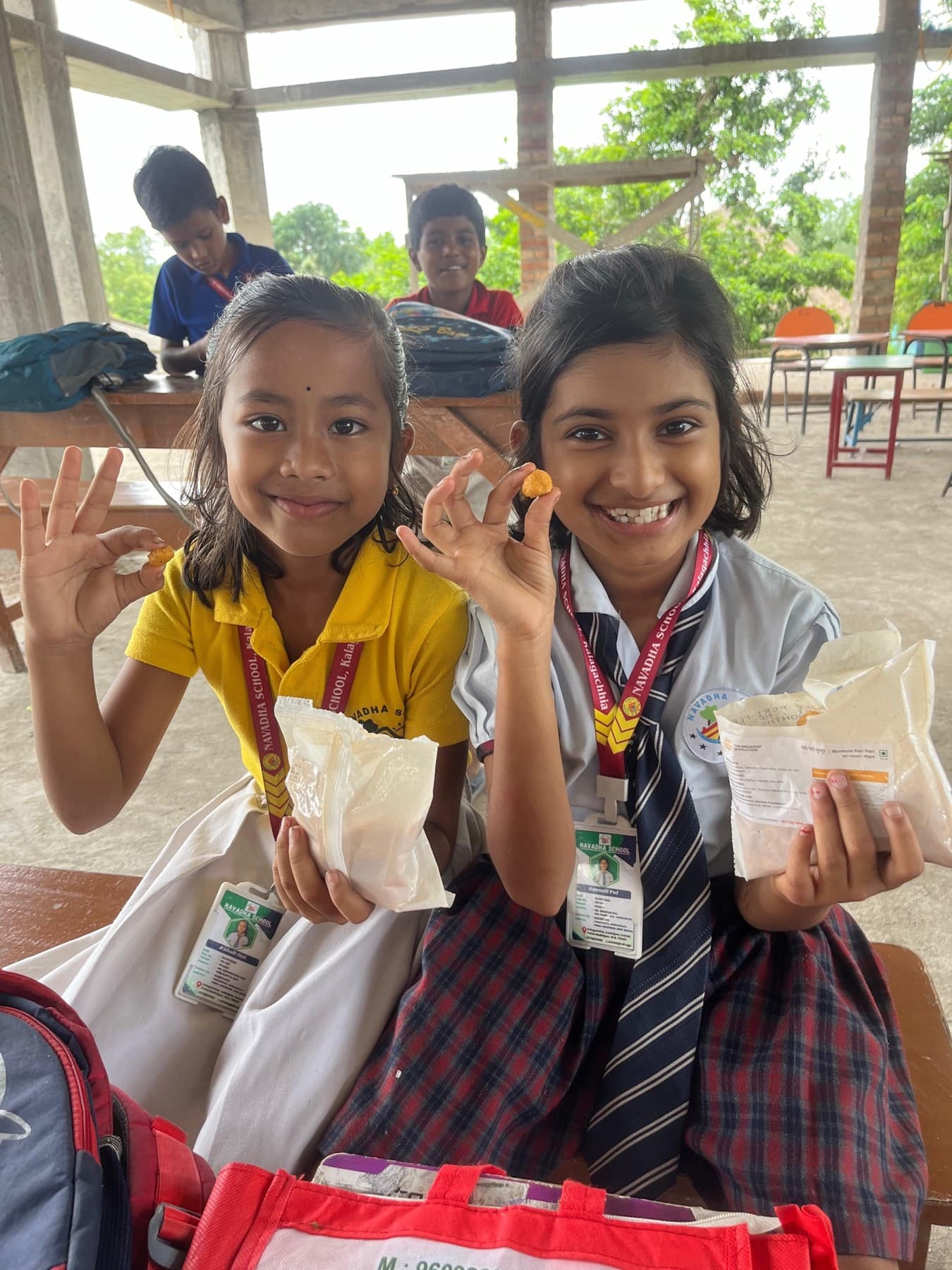
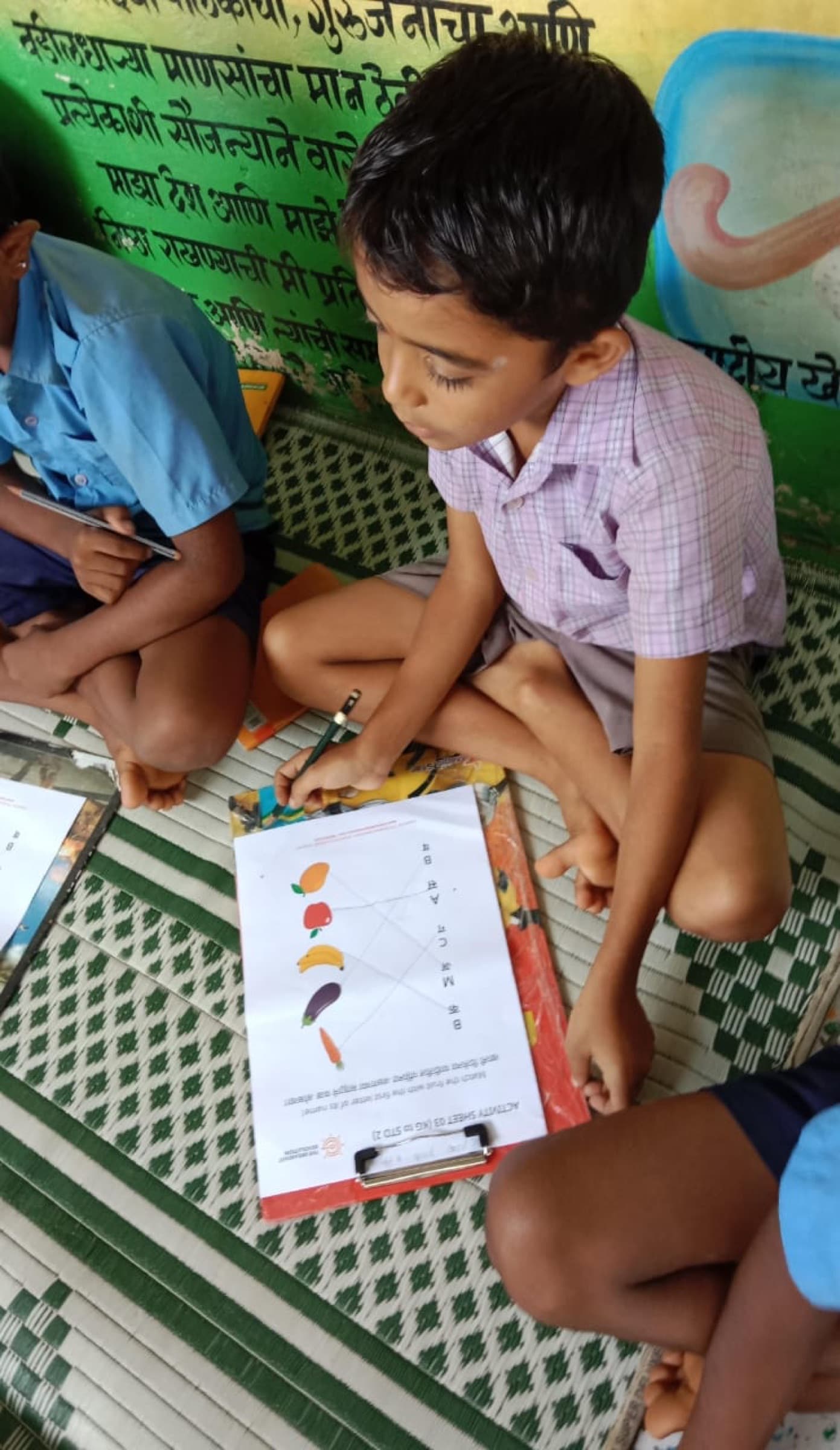
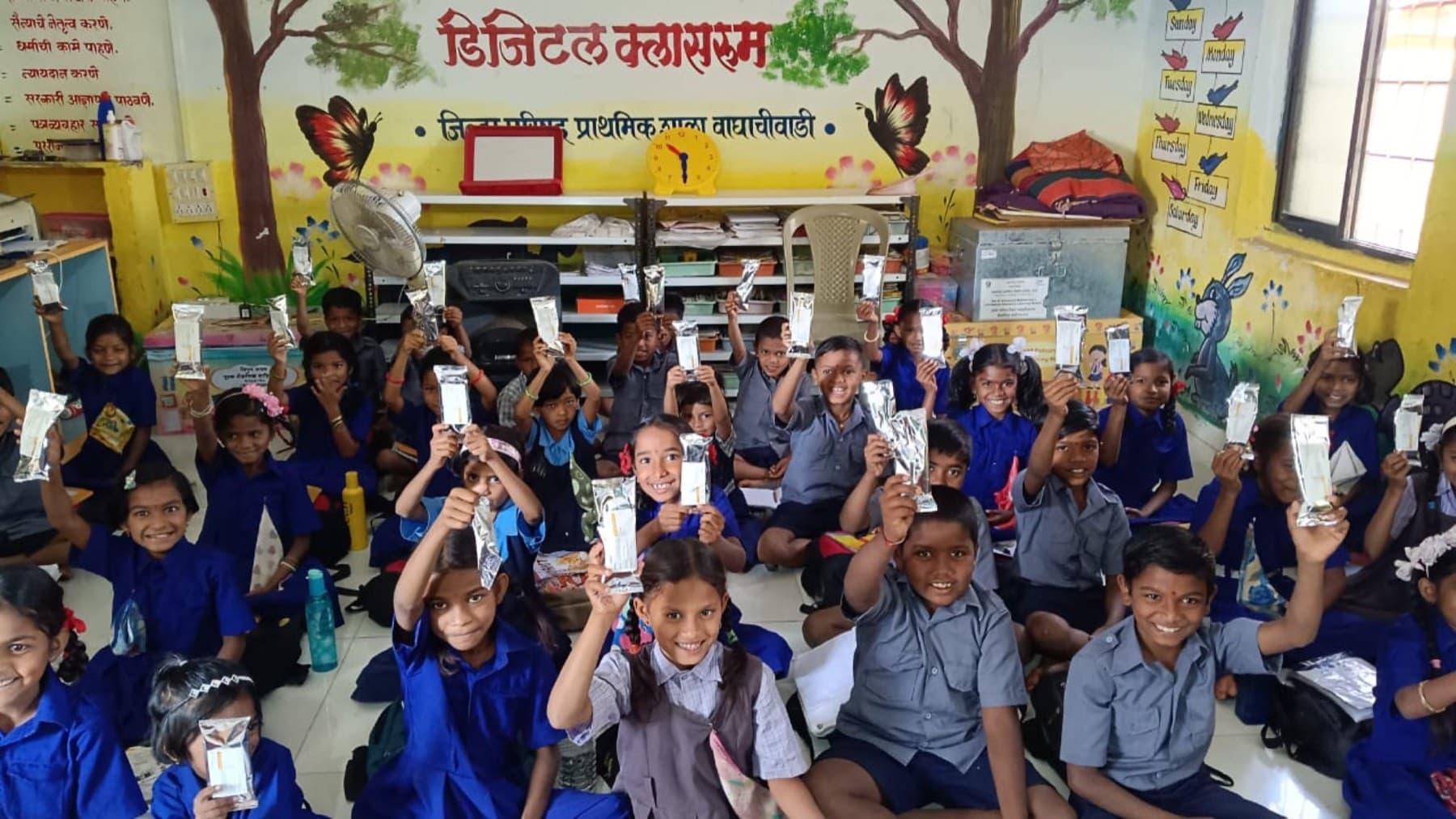
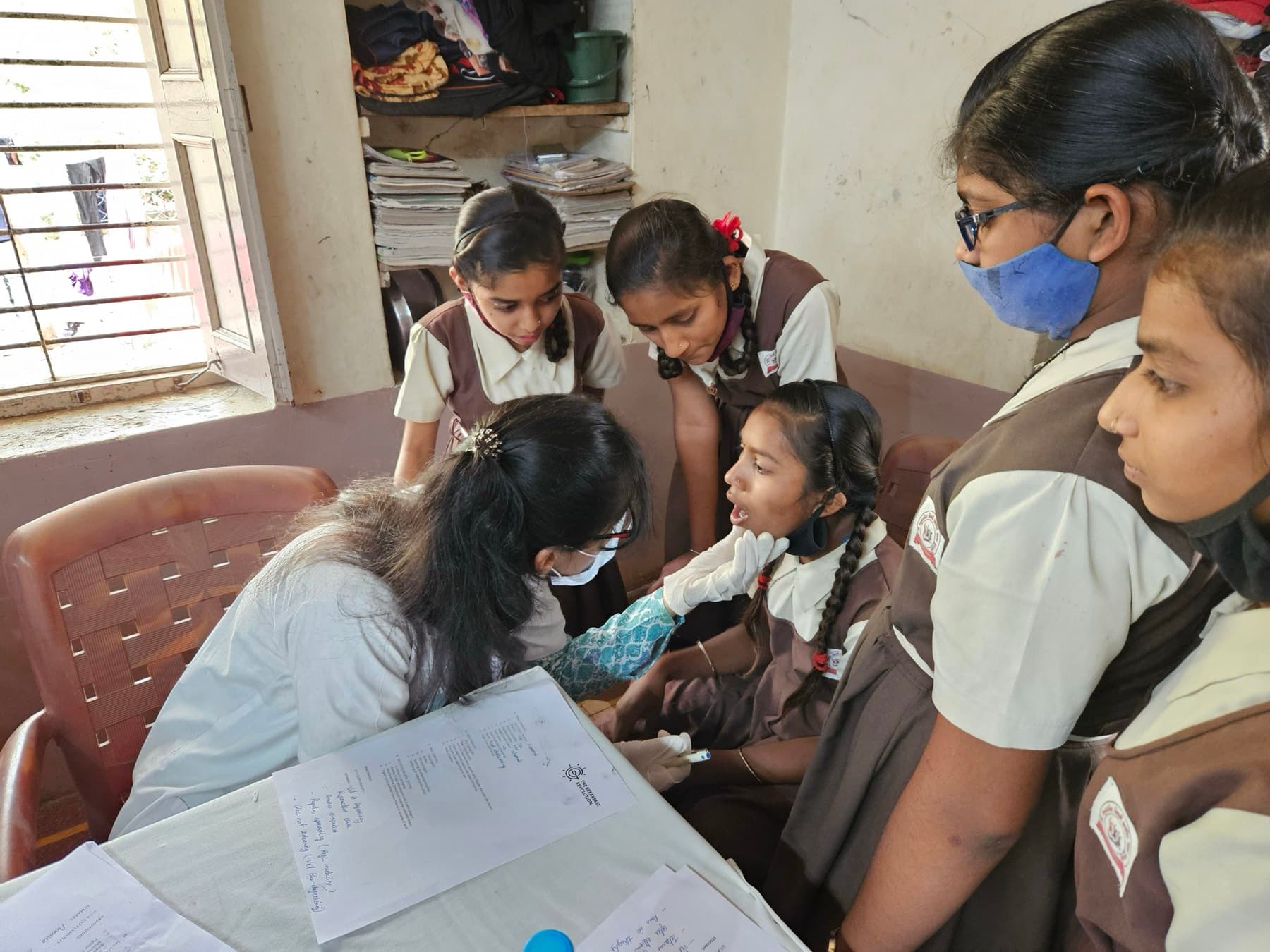
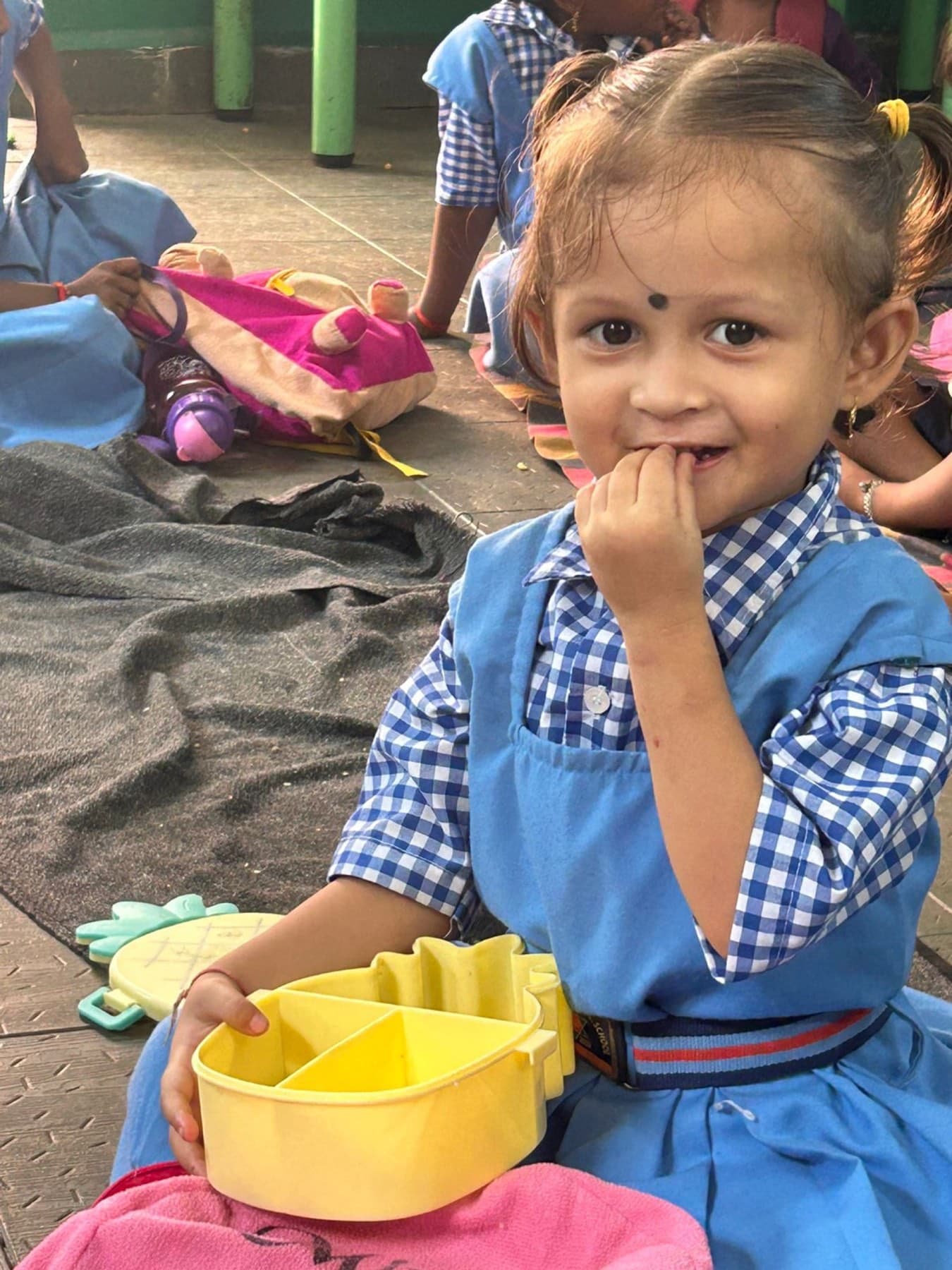
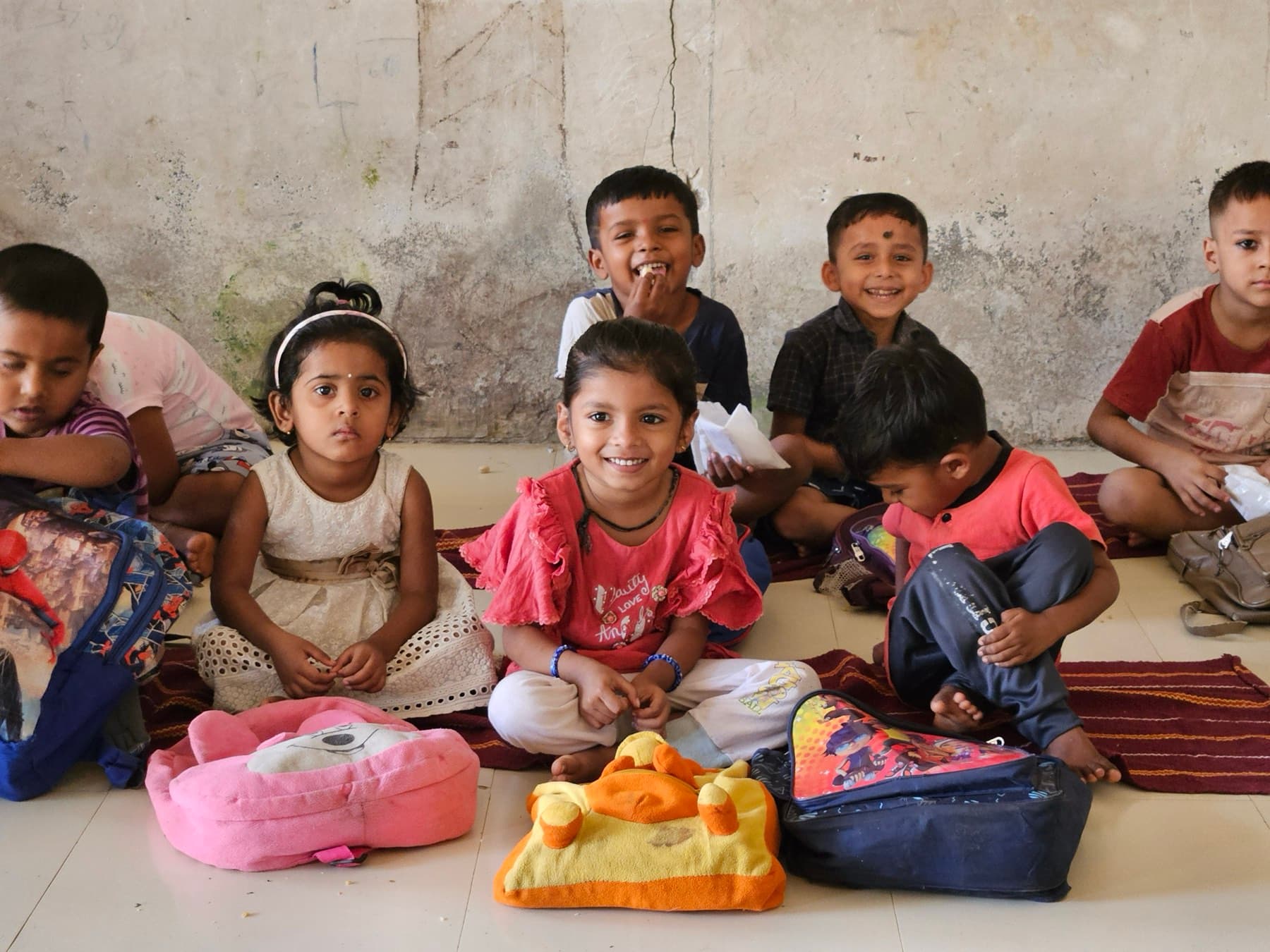
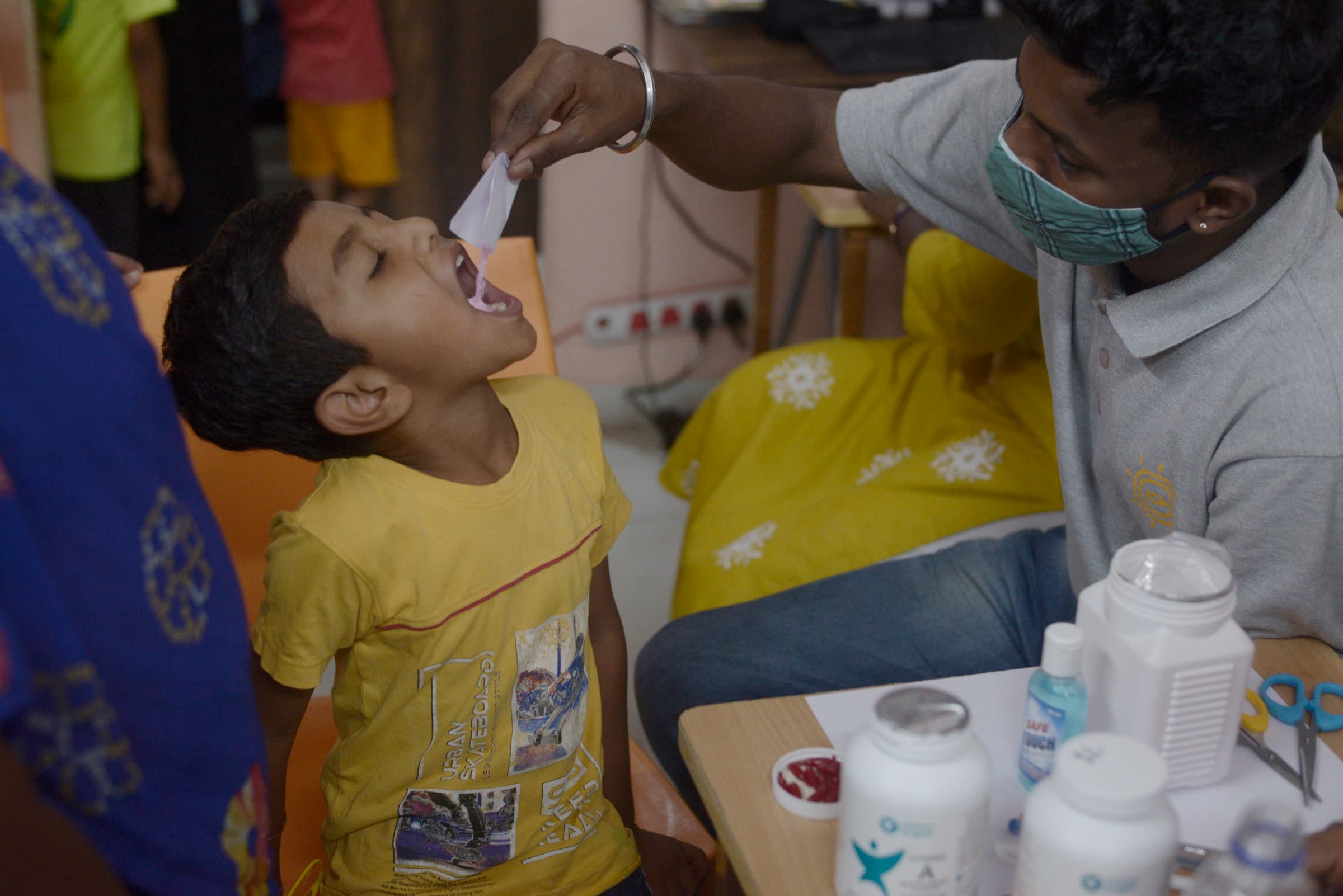
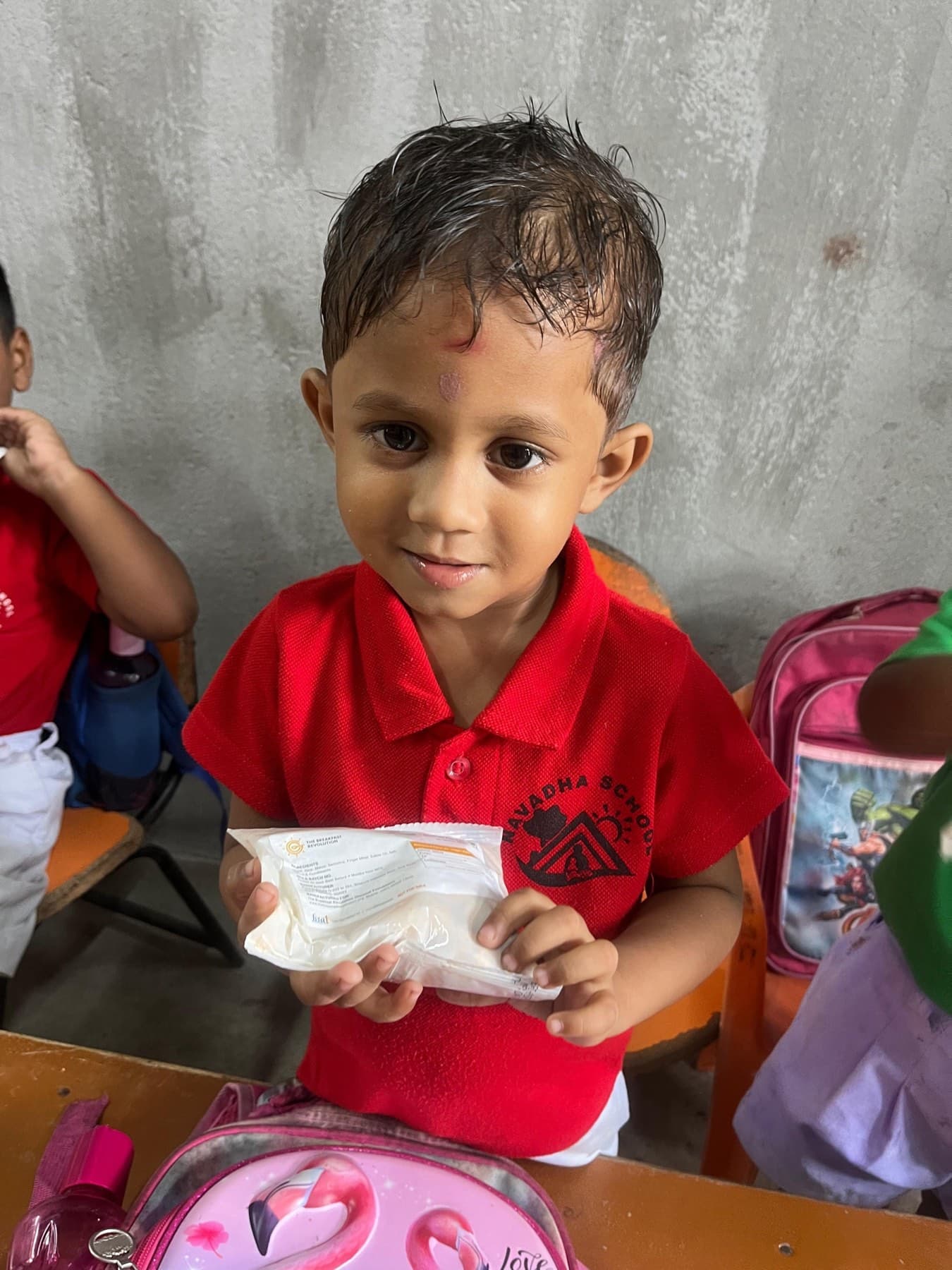
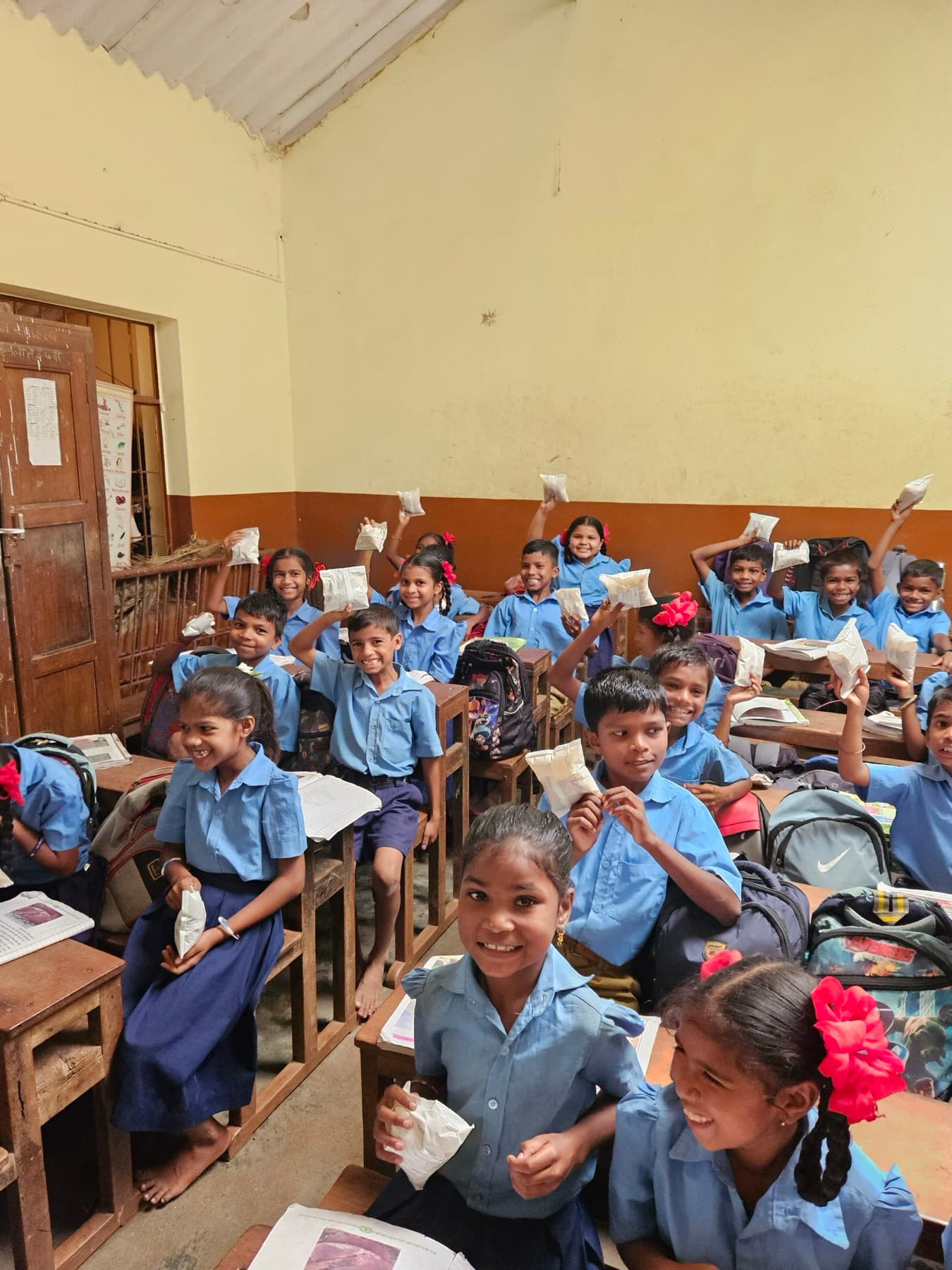
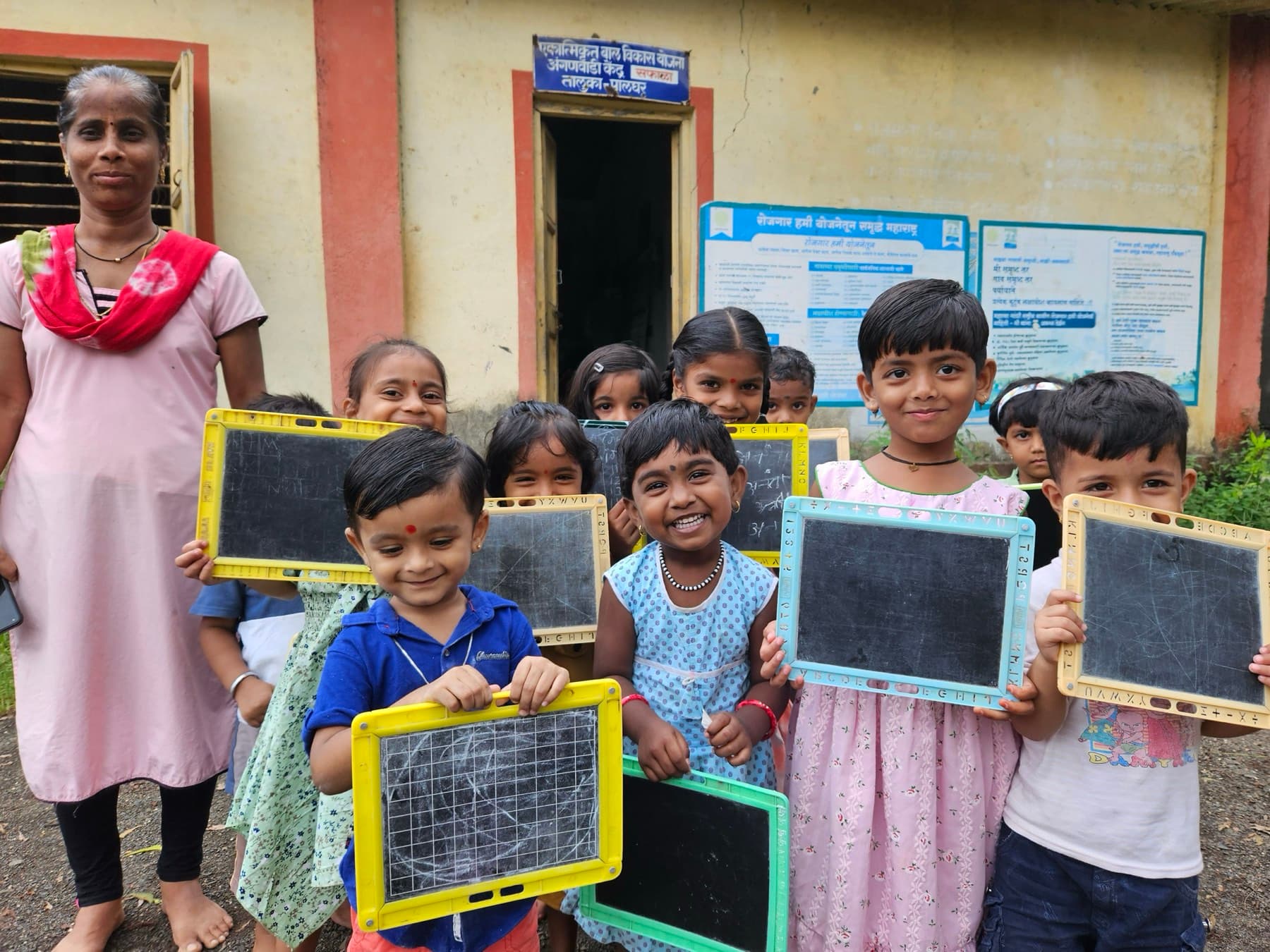
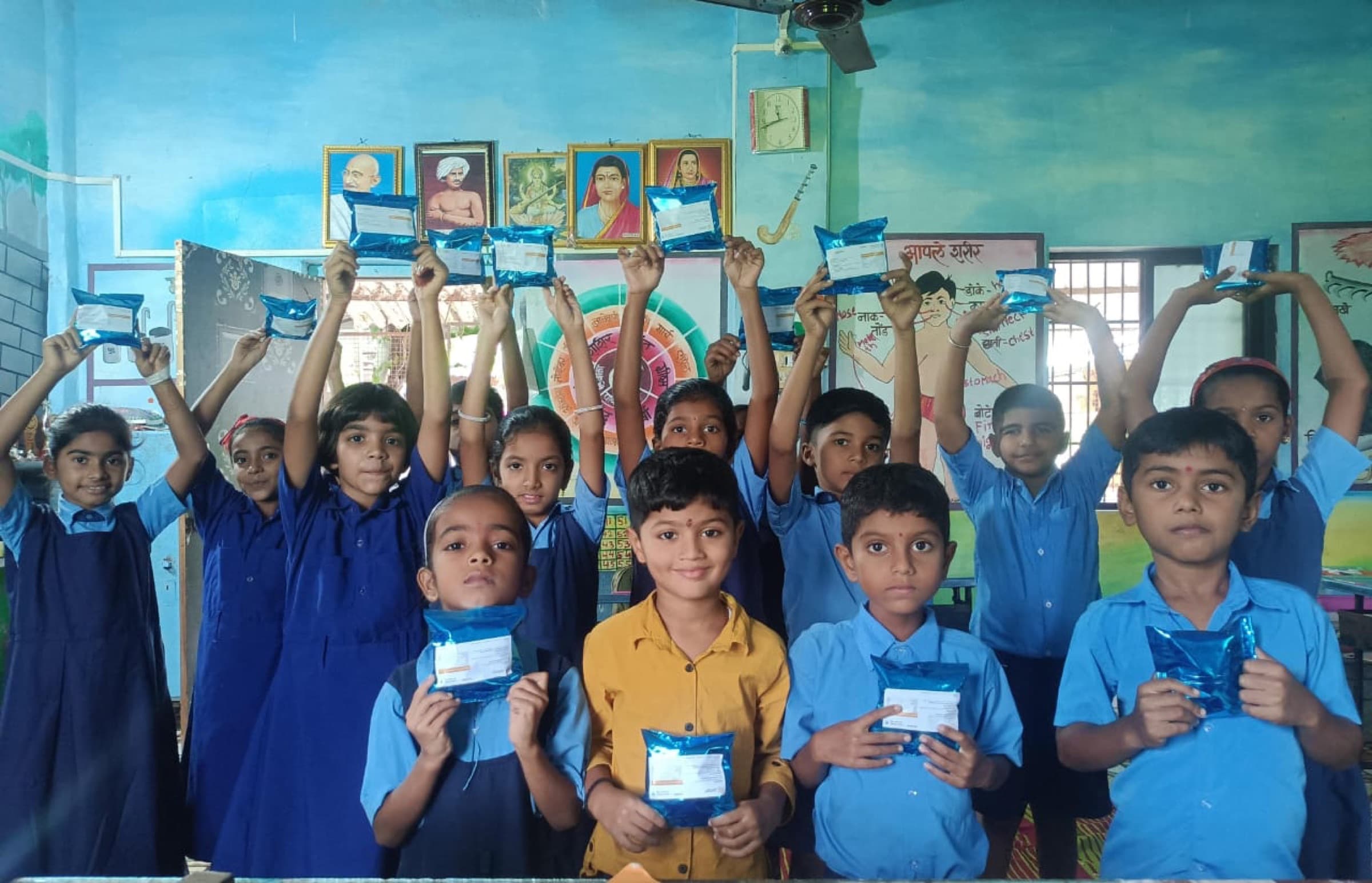
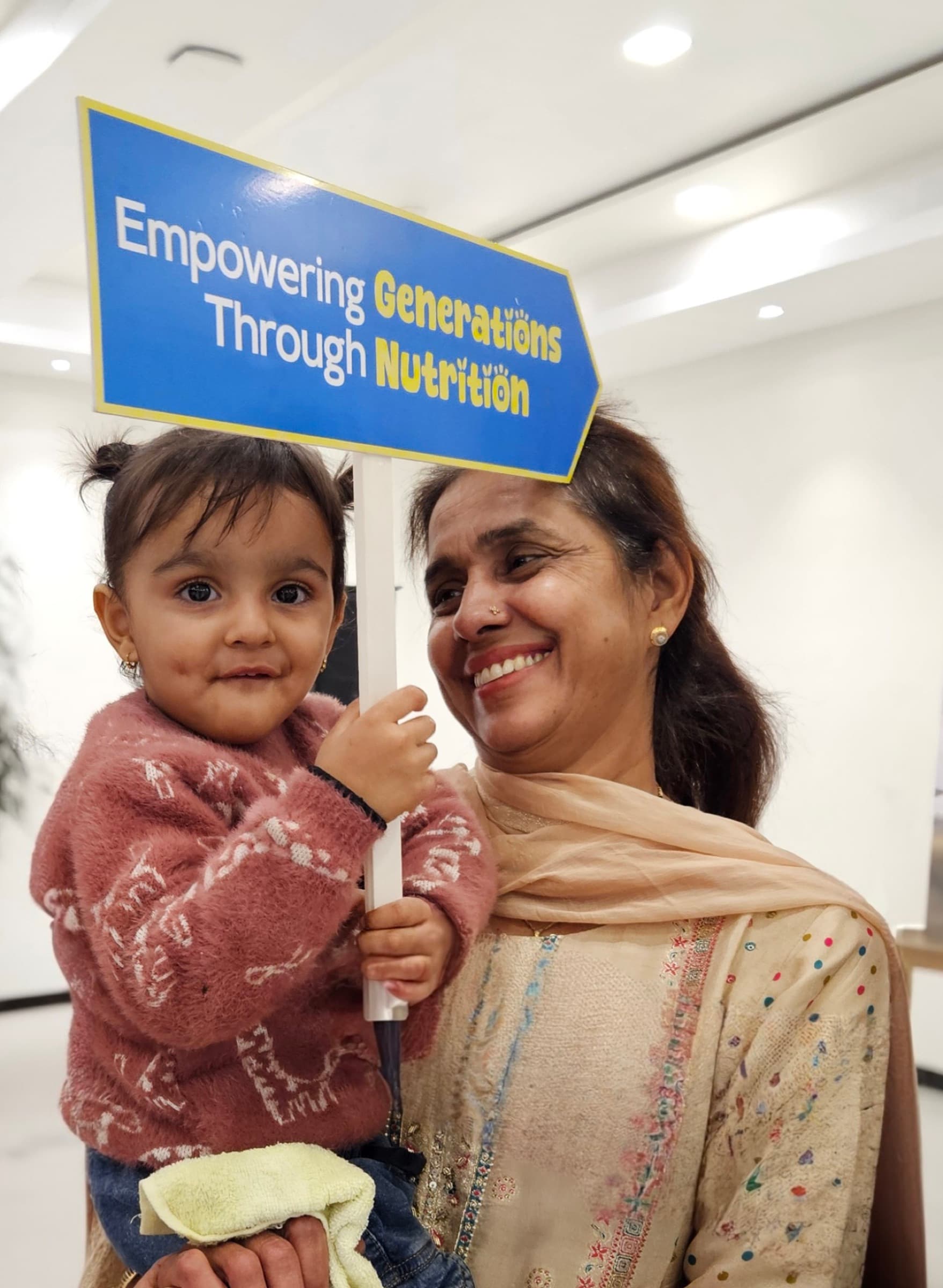
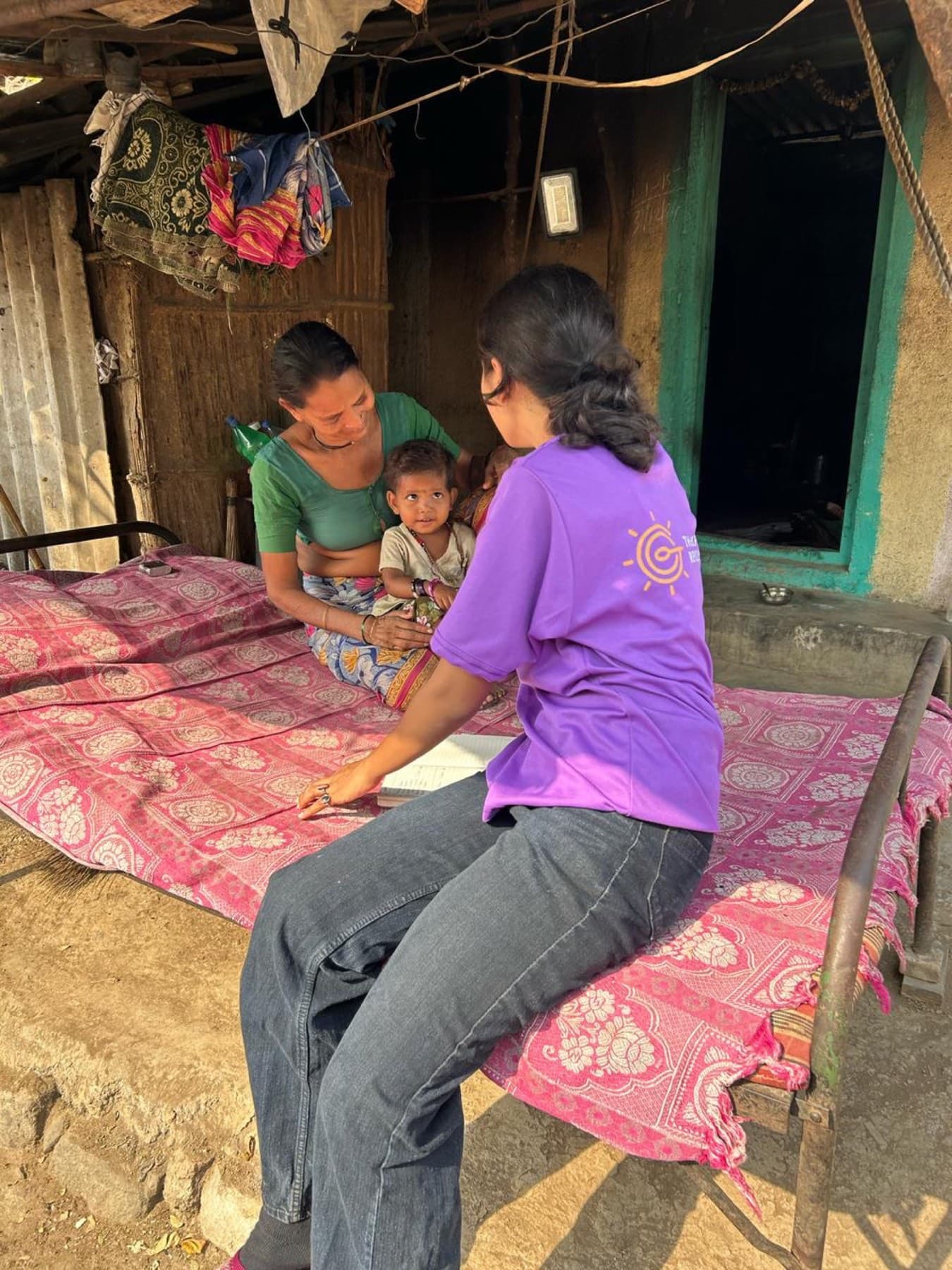
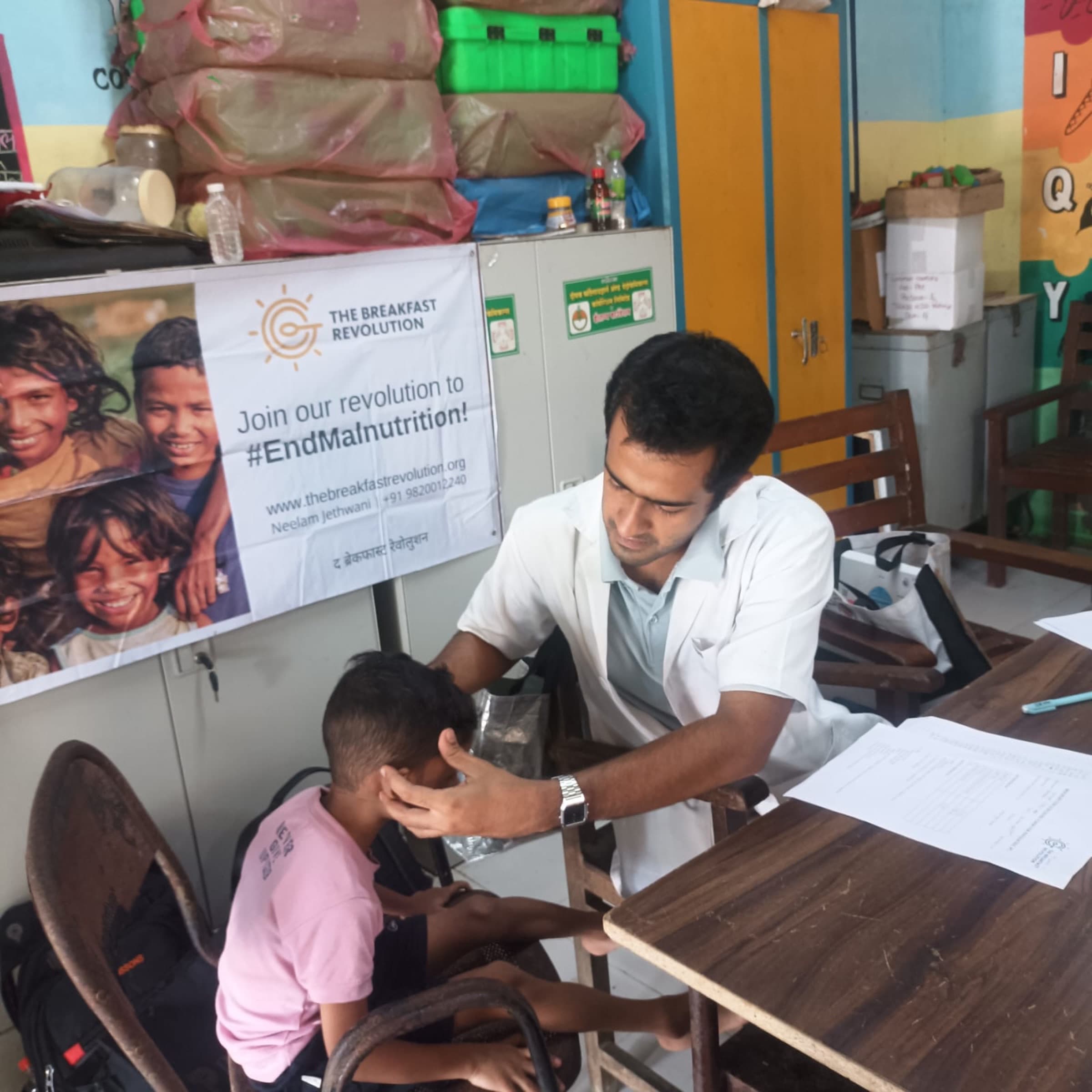
A snack worth smiling about.
Drag to spin the wall, or use the arrows.
How the programme works
Five steps, never food alone.
Partner
With the school or anganwadi, so the food fits how the place actually runs.
Assess
Every child, so the programme knows who needs what.
Deliver
Food, every school day, built for kitchens that may have no water at all.
Educate
Nutrition lessons in Marathi, for children and mothers alike.
Monitor
Health check-ups, deworming and growth tracking, on a schedule.
Never food alone.
What's inside
Read both labels. Judge for yourself.
Two packs, side by side. On the left, the kind of loud "high protein" pack you have seen a hundred times: a big promise on the front, and a back you have to squint at. Pull the front off and read what is really in it. On the right, the actual TBR pack, held to the same test.
Marketing theatre
Nutrition Information
Values per 100 g
- Energy471 kcal
- Protein2.4 g*
- Carbohydrate68 g
- of which total sugars52 g
- of which added sugars48 g
- Total fat17.5 g
- of which saturated9.1 g
- of which trans fat0.3 g
- Total sodium480 mg
*The 30 g protein claim up front is per 100 g of the added protein blend, not the pack. The product itself has about 2.4 g per 100 g, so a serving gives under a gram.
Ingredients
Sugar, glucose syrup, hydrogenated palm fat, soy protein isolate (3%), maltodextrin, invert sugar syrup, humectant (glycerol), emulsifiers (INS 322, INS 471), artificial flavouring substances, acidity regulator (INS 330), added colours (INS 150d, INS 129), anticaking agent (INS 551), flavour enhancer (INS 621), preservative (INS 202).
A made-up example, not a real product.
A label you can actually read
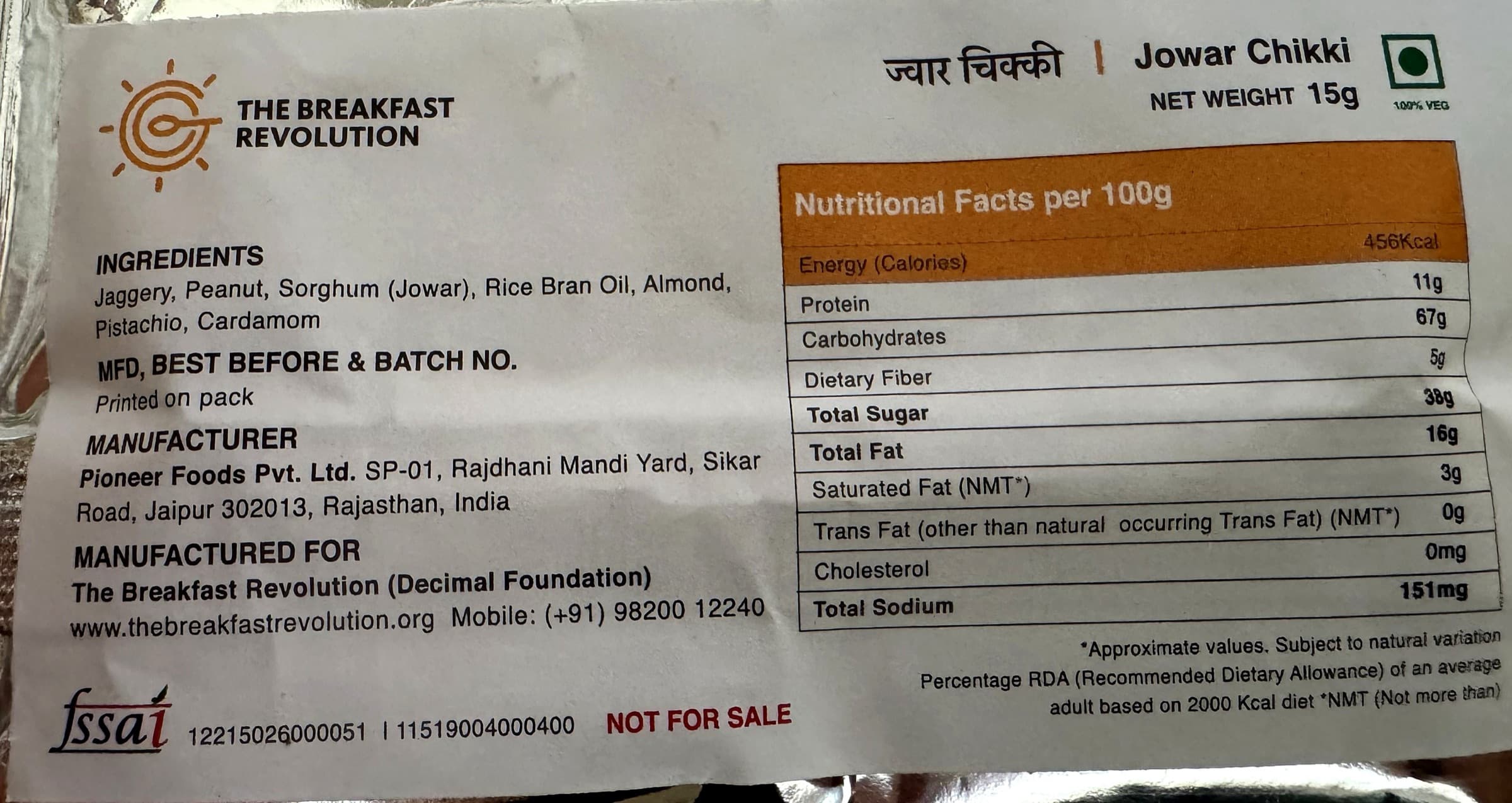
The label, up close.
Every value here is printed on the pack, per 100 g.
The new recipes
What changes when the recipe changes.
TBR designs its new recipes with UGIPL's engine. The left column is read off the printed labels of TBR's current line. The right column is the engine's estimate, within 10 to 15 percent until lab tests.
| Axis | Before, the current line | After, the reformulation |
|---|---|---|
| Protein per serving | VERIFIED 1.65 g to 7.4 g | ESTIMATE 8.0 g to 9.4 g across the seven seeded formulations |
| Complete protein (all 9 amino acids) | VERIFIED Not deliberately designed. Cereal-led savoury line. | ESTIMATE Yes. All seven formulations clear the WHO/FAO/UNU 2007 pattern on all nine. |
| Added sugar | VERIFIED Porridge about 26 g per 100 g. Chikki 38 g per 100 g. | ESTIMATE Cold porridge about 5.1 g per 100 g. Savoury mixes, 0 g added. |
| Sodium (savoury) | VERIFIED 1.1 g to 1.33 g per 100 g | ESTIMATE At or below 0.5 g per 100 g. The baked savoury mix (R3) is about 0.25 g. |
| Fat | VERIFIED 16 g to 18 g per 100 g across most ready-to-eat items | CONSTRAINT Moderate. No palm oil, baked rather than fried. |
| Synthetic additives | VERIFIED INS 627, INS 631, INS 635, added colours, INS 551 (anticaking) | CONSTRAINT None. Clean label is a hard constraint. |
| Fortification | VERIFIED Unreliable and inconsistent on labels. Treated as effectively unfortified. | CONSTRAINT Planned fortification with iron, zinc, folic acid and vitamin B12, within FSSAI limits. Amounts are set once the premix is confirmed and lab-tested. |
| Preparation at school | VERIFIED BalAahar and the porridge need hot or cold water and mixing before they can be served. | CONSTRAINT Every reformulated recipe is ready to eat or works with cold water. Many schools have no hot water, and some have none at all. |
Source: TBR Impact and Process Report, section 5.2 (30 June 2026).
Feed a child every school morning for a year.
It costs ₹2,600 on The Breakfast Revolution's own donate page. Gifts are tax-deductible in India and the US.